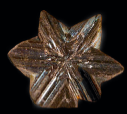


This specimen features a robust, blocky pair of hexagonal phlogopite crystals. While phlogopite is best known for its platy, micaceous habit, it appears here as a solid, dark mass, giving the specimen an unusually bold presence. The crystals are not complete; along the lower portion, classic lustrous bronze-brown mica cleavage surfaces are visible.
The material comes from the Maxwell quarry which developed in brucitic marble enclosed within syenite, a geological setting better known for producing distinctive fluorapatite and diopside crystals. Discovered in 1938, the quarry was operated by the Aluminum Company of Canada (Alcan) from 1942 to 1968, primarily for the extraction of brucite used in magnesium metal production.
Ex Peter Tarassoff collection
Be the first to know: latest additions, featured minerals, events, and exclusive updates await you.
Subscribe Now!
Website design by Melanie Lane.
Development and maintenance by Wenex Media Works.